Mangoes Nutrition facts
Mangoes

“The king of the fruits,' mango fruit is one of the most popular, nutritionally rich fruits with unique flavor, fragrance, taste, and heath promoting qualities, making it numero-uno among new functional foods, often labeled as “super fruits.'
Mango is one of the delicious seasonal fruits grown in the tropics. The tree is believed to be originating in the sub-Himalayan plains of the Indian subcontinent. Botanically, this exotic fruit belongs to the family of Anacardiaceae, a family that also includes numerous species of tropical fruiting trees in the flowering plants such as cashew, pistachio.
Scientific name: Mangifera Indica.
Similar Food
-
 Acai berry 63 Cal
 -
 Acerola cherry 32 Cal
 -
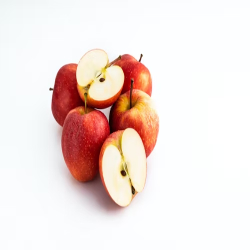 Apple 52 Cal
 -
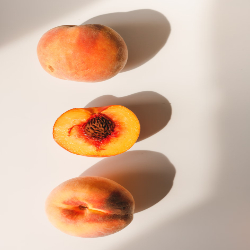 Apricot 48 Cal
 -
 Avocado 160 Cal
Source of Calorie
-
Carbs15.00 g 90%
-
Protein0.82 g 5%
-
Fat0.38 g 5%
How long to burn off 60 Calories?
*Approximate base minutes for a 25-year-old, 65 kg adult at moderate intensity.
| Nutrition Principle | Nutrition Value | Percentage of RDA |
|---|---|---|
| Principle | ||
| Energy | 60 Kcal | 3% |
| Carbohydrates | 15 g | 12% |
| Protein | 0.82 g | 1.5% |
| Total Fat | 0.38 g | 2% |
| Cholesterol | 0 mg | 0% |
| Dietary Fiber | 1.60 g | 4.1% |
| Vitamins | ||
| Folates | 43 µg | 11% |
| Niacin | 0.669 mg | 4.2% |
| Pantothenic acid | 0.197 mg | 4% |
| Pyridoxine (vit B-6) | 0.119 mg | 9% |
| Riboflavin | 0.038 mg | 3% |
| Thiamin | 0.028 mg | 2.3% |
| Vitamin C | 36.4 mg | 60% |
| Vitamin A | 1080 IU | 36% |
| Vitamin E | 0.9 mg | 6% |
| Vitamin K | 4.2 µg | 3.5% |
| Electrolytes | ||
| Sodium | 1 mg | 0% |
| Potassium | 168 mg | 3.7% |
| Minerals | ||
| Calcium | 11 mg | 1% |
| Copper | 0.111 mg | 12% |
| Iron | 0.16 mg | 2% |
| Magnesium | 9 mg | 2% |
| Manganese | 0.063 mg | 16% |
| Zinc | 0.09 mg | 0.8% |
| Phyto-nutrients | ||
| Carotene-ß | 640 µg | -- |
| Carotene-α | 9 µg | -- |
| Crypto-xanthin-ß | 10 µg | -- |
| Lutein-zeaxanthin | 23 µg | -- |
| Lycopene | 3 µg | -- |